
 Ayan Chakraborty
 In the fast-evolving world of technology, the impact of AI in major jobs cuts has become a hot topic that’s impossible to ignore. As we dive into 2025, companies like Meta are making headlines with bold moves in their AI divisions. Meta’s recent reorganization of its Superintelligence Labs has led to significant job reductions, sparking debates about the future of work in the tech sector. This isn’t just about layoffs—it’s a glimpse into how artificial intelligence is reshaping industries, creating both challenges and opportunities for tech enthusiasts, beginners, and enterprise buyers alike.
Whether you’re a curious beginner trying to understand AI’s role in the job market or an enterprise leader evaluating how these changes affect your business strategy, this post breaks it all down. We’ll explore the details of Meta’s shake-up, the broader AI impact of major job cuts, and what it means for the future. Let’s unpack this transformative shift.
What is Meta’s Superintelligence Labs?
Meta’s Superintelligence Labs represents the company’s ambitious push toward advanced AI development. Launched as part of Meta’s broader AI strategy, the labs focus on creating next-generation AI models that go beyond current capabilities. Under the leadership of Chief AI Officer Alexandr Wang—hired in a high-profile move from Scale AI—the labs aim to achieve “superintelligence,” a term popularized by Meta CEO Mark Zuckerberg to describe AI systems surpassing human intelligence in various tasks.
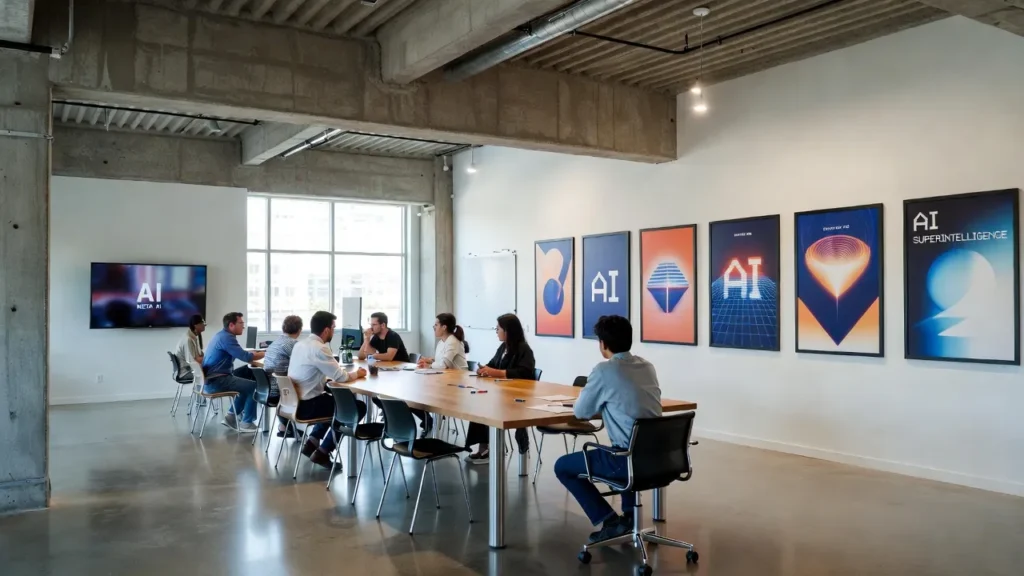
This division isn’t just about research; it’s integrated with product development, infrastructure, and foundational AI work. For beginners, think of it as Meta’s skunkworks for AI, similar to how Google has DeepMind. Tech enthusiasts might appreciate how it combines teams like FAIR (Fundamental AI Research) with new units like TBD Lab, which stands for “to be determined” and focuses on cutting-edge foundation models.
In 2025, the labs employed several thousand people, but recent changes have streamlined operations. This reorganization highlights Meta’s Superintelligence as a key player in the AI arms race, competing with giants like OpenAI and Google.Illustration of Meta’s Superintelligence Labs team working on AI models, highlighting the impact of AI in major jobs cuts
The Reorganization: What Happened and Why?
In October 2025, Meta announced a major restructuring of its Superintelligence Labs, resulting in the elimination of approximately 600 positions. This cut affected teams in FAIR, product-related AI, and AI infrastructure, while sparing the newly formed TBD Lab. According to internal memos, the goal was to reduce organizational bloat and enhance decision-making speed.
Alexandr Wang explained in a memo that fewer layers would make each role more impactful, allowing Meta to innovate faster in the competitive AI landscape. This isn’t Meta’s first rodeo—earlier in the year, the company underwent multiple reorganizations, including a $14 billion investment in Scale AI and high-profile hires from competitors.
For enterprise buyers, this signals Meta’s commitment to agility. By consolidating teams, Meta aims to accelerate AI product releases, like enhancements to its Meta AI assistant. Beginners should note that such moves are common in tech; they’re about efficiency, not failure.
- Key Changes in the Reorg:
- Division into four main teams: TBD Lab, product team, infrastructure, and FAIR.
- Focus on “load-bearing” roles to minimize bureaucracy.
- Continued hiring in priority areas like TBD Lab, which has a few dozen elite researchers.
This shake-up underscores the impact of AI in major jobs cuts, as companies prioritize high-output structures.
External link: For more on Meta’s AI strategy, check out Wikipedia’s page on Meta Platforms (dofollow).
Internal link: Learn how AI is transforming other tech giants in our post on AI Innovations in 2025.
Reasons Behind the Job Cuts at Meta
The 600 job cuts at Meta’s Superintelligence Labs weren’t arbitrary. They stem from a strategic pivot to make the AI unit more nimble. After a hiring spree that included poaching top talent with multimillion-dollar packages, Meta identified redundancies. Reports from sources like Axios and Reuters indicate that the cuts targeted legacy teams to fund elite groups like TBD Lab.
Economic factors play a role too. In 2025, the tech industry faced pressures from high interest rates and geopolitical uncertainties, prompting cost controls. But AI itself is a double-edged sword—while it drives innovation, it also enables automation that reduces the need for certain roles.
Bold key phrase: Automation in coding and data processing, for instance, has cut coding work by up to 30% at some firms, per industry reports.
For tech enthusiasts, this reflects the “AI talent wars,” where companies like Meta lure experts but trim support staff. Beginners might see it as a natural evolution, similar to how cloud computing displaced some IT jobs a decade ago.
- Contributing Factors:
- Overhiring during the AI boom.
- Need for faster execution in superintelligence pursuits.
- Reallocation of resources to high-priority AI models.
This reorganization exemplifies the AI impact of major job cuts, where efficiency gains lead to workforce adjustments.
External link: Dive deeper into AI ethics and job displacement on Google Search Central’s AI guidelines (dofollow).
Internal link: Explore similar trends in our article on Tech Layoffs in 2025.Graph showing AI-related job cuts in tech industry 2025, illustrating the impact of AI in major jobs cuts
Broader Impact of AI on the Tech Job Market in 2026
Beyond Meta, the impact of AI in major jobs cuts is rippling across the industry. According to Challenger, Gray & Christmas, AI was responsible for nearly 55,000 layoffs in the U.S. in 2025 alone. Companies like Amazon, Microsoft, and Salesforce cited AI efficiencies for thousands of cuts, with Amazon eliminating 14,000 corporate roles to operate “more leanly.”
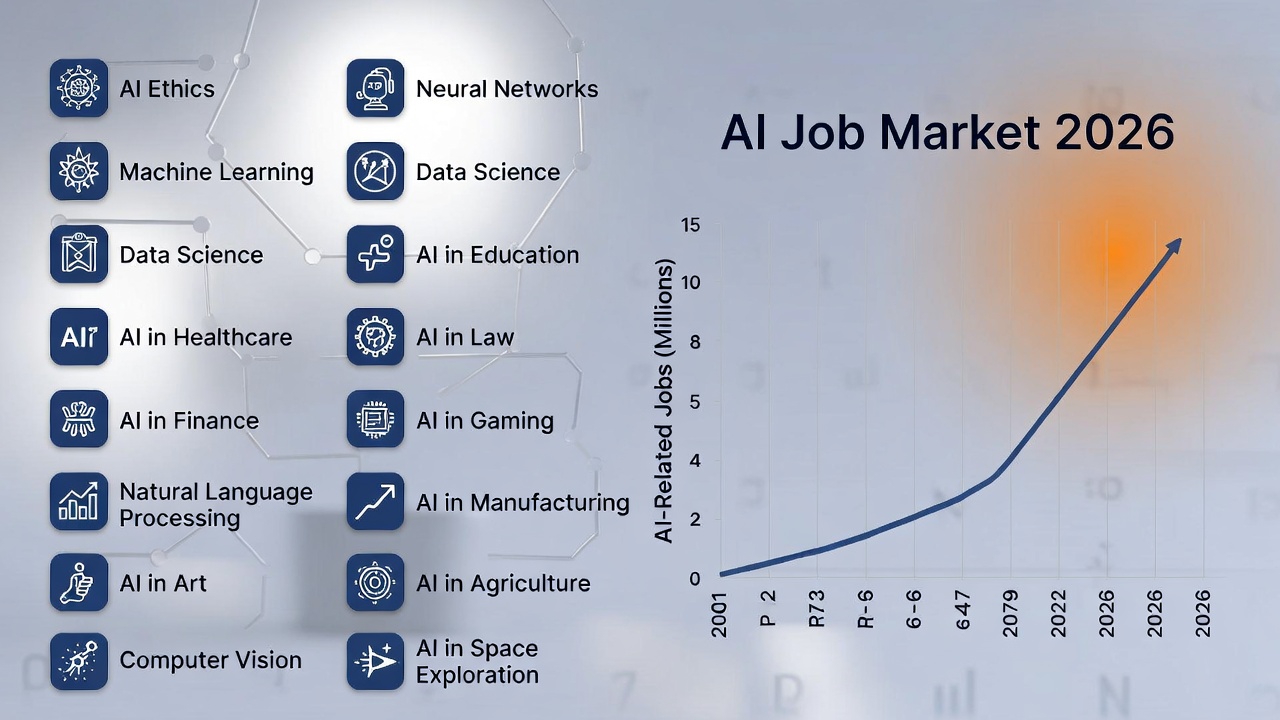
For beginners, this means AI tools are automating routine tasks, from coding to customer service. Tech enthusiasts know that while entry-level jobs in software engineering dropped by up to 20% for young workers (ages 22-25), per Stanford studies, experienced roles remain stable or grow.
Enterprise buyers should consider how this affects talent pipelines. A McKinsey report from 2025 predicts that 32% of organizations expect workforce reductions due to AI, but high performers anticipate growth through upskilling.
Short paragraph: The shift isn’t all negative. PwC’s 2025 Global AI Jobs Barometer shows wages rising for AI-skilled workers, even in automatable roles, suggesting AI enhances value rather than devalues it.
- Statistics from 2025:
- Over 1 million total job cuts in tech, highest since 2020.
- AI cited in 6,000+ cuts in November alone.
- Entry-level hiring down, especially in AI-exposed fields like software and customer service.
This data highlights the artificial intelligence revolution’s dual nature—disruptive yet opportunity-rich.
External link: Read about AI’s labor market effects on McKinsey’s insights (dofollow).
Internal link: Check our guide on Upskilling for AI Careers.
Case Studies: AI Job Cuts at Other Tech Giants
Meta isn’t alone in navigating the impact of AI in major jobs cuts. Let’s look at a few examples from 2025.
Amazon: In October, Amazon cut 14,000 jobs, attributing it to AI-driven efficiencies. CEO Andy Jassy noted that AI reduced the need for certain managerial layers, saving billions. For enterprise buyers, this means leaner operations but potential supply chain innovations.
Microsoft: The company laid off thousands, including in its Azure AI teams, to realign for AI priorities. A Gartner report indicates only 1% of 2025 layoffs were from proven AI productivity, but many were anticipatory.
Citigroup: Early 2026 previews show more cuts, but in 2025, AI was blamed for over a thousand roles in banking operations.
These cases show a pattern: Companies cut to fund AI investments, like Meta’s pivot from metaverse to superintelligence.
For beginners: Think of it as pruning a tree to encourage growth in stronger branches.
Tech enthusiasts: Note how AI adoption correlates with 3.6% lower employment in vulnerable occupations after five years, per IMF studies.
Internal link: Compare with Google’s AI Strategies.Collage of tech giants like Amazon and Microsoft facing AI job cuts, focusing on AI impact of major job cuts
Opportunities Arising from AI Despite Job Cuts
While the impact of AI in major jobs cuts grabs headlines, it’s not all doom. AI creates new roles in areas like AI ethics, data engineering, and prompt engineering. PwC reports that AI-augmented jobs see wage premiums, making skilled workers more valuable.
For tech enthusiasts, Meta’s TBD Lab is hiring, focusing on superintelligence models. Beginners can start with free courses on platforms like Coursera to enter the field.
Enterprise buyers: AI can boost productivity by 40%, per McKinsey, leading to net job growth in innovative firms.
- Emerging Opportunities:
- Demand for AI specialists up 30% in 2025.
- Roles in AI governance and integration surging.
- Reskilling programs helping displaced workers transition.
Bold key phrase: AI isn’t replacing jobs—it’s transforming them.
External link: Explore job trends on Backlinko’s SEO resources (dofollow).
Internal link: Discover AI Tools for Businesses.
Future Outlook: AI and Jobs in 2025 and Beyond
Looking ahead, Meta’s Superintelligence will likely lead more industry shifts. With Zuckerberg investing tens of billions in AI, including expanded TBD Lab funding, expect accelerated advancements.
In 2025, experts predict AI will affect 40% of global jobs, per IMF. But Stanford research shows declines mainly for entry-level workers in exposed fields, with overall employment stable.
For beginners: Stay adaptable—learn AI basics now.
Tech enthusiasts: Watch for AGI breakthroughs that could redefine work.
Enterprise buyers: Invest in AI training to mitigate risks.
Short paragraph: By 2026, AI high performers may see 13% workforce increases, balancing cuts.
Internal link: Read about Future of AI in Enterprises.Futuristic view of AI-integrated workplace, showing the impact of AI in major jobs cuts and opportunities
How Individuals and Enterprises Can Adapt
Adapting to the impact of AI in major jobs cuts requires proactive steps.
For individuals:
- Upskill in AI-relevant areas like machine learning.
- Network on platforms like LinkedIn.
- Explore freelance AI gigs.
For enterprises:
- Implement AI ethically to augment, not replace, workers.
- Offer reskilling programs—Meta encouraged affected employees to reapply internally.
- Partner with AI firms for seamless integration.
This approach turns challenges into growth.
External link: Guidance from Moz on SEO in AI era (dofollow).
Internal link: Our post on Enterprise AI Adoption.
Challenges and Ethical Considerations
No discussion of AI impact of major job cuts is complete without ethics. Job displacement raises concerns about inequality, especially for young workers. Stanford data shows 16% relative employment drops for ages 22-25 in AI-exposed roles.
Mental health impacts are rising, with CNN reporting surges due to AI uncertainties. Enterprises must prioritize fair transitions.
Bold key phrase: Ethical AI deployment is key to sustainable progress.
- Ethical Tips:
- Transparent communication during reorgs.
- Severance and support for affected workers (Meta offered 16 weeks plus).
- Diversity in AI teams to avoid biases.
Internal link: Dive into AI Ethics Guide.Group discussing AI ethics in the context of Meta’s Superintelligence and job cuts
Real-World Examples and Statistics
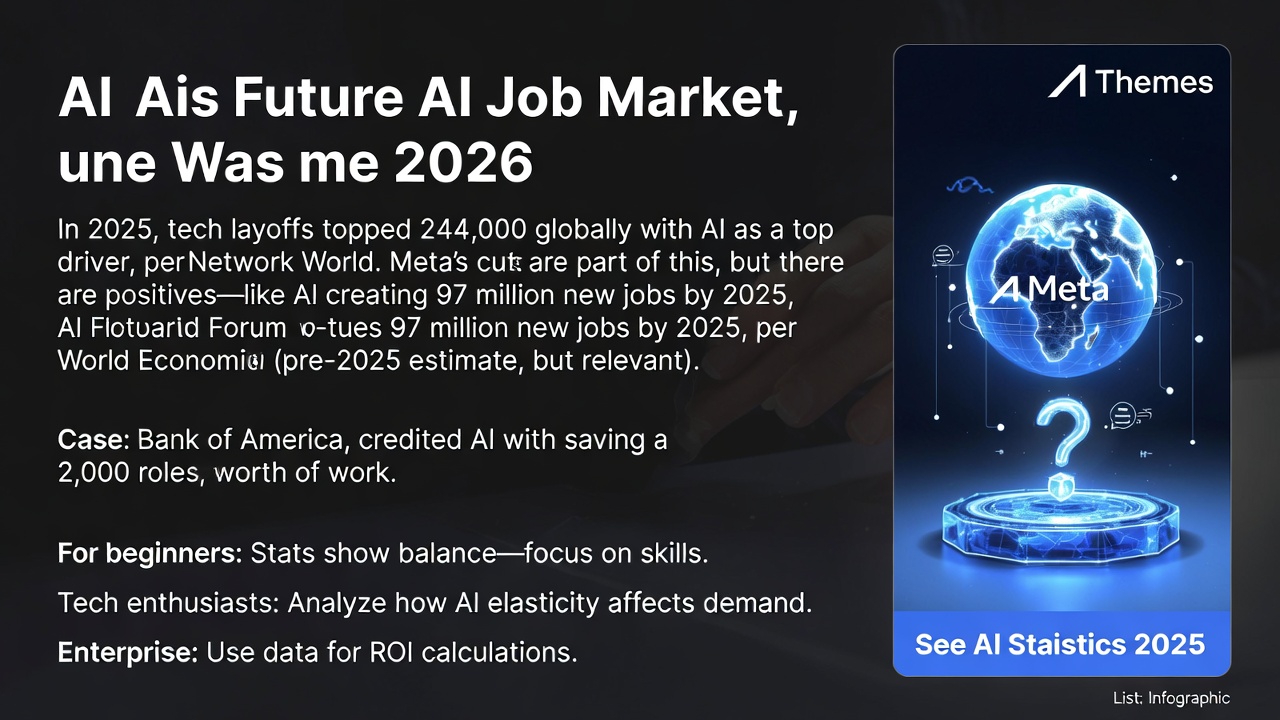
Internal link: See AI Statistics 2025.
Conclusion: Embracing the AI Revolution
The impact of AI in major jobs cuts, as seen in Meta’s Superintelligence Labs reorganization, is a wake-up call for the tech world. While 600 jobs were cut to streamline operations, it paves the way for breakthroughs in artificial intelligence. For tech enthusiasts, beginners, and enterprise buyers, the message is clear: Adapt, upskill, and innovate.
Don’t let fear hold you back—dive into AI today. Whether you’re starting your journey or scaling your business, explore our resources or contact us for tailored advice. What’s your take on these changes? Share in the comments!
