

 Himadri
 In the ever-evolving world of search engine optimization, mastering the art of linking is crucial. One key element that often gets overlooked is the followed link. This powerful tool can significantly enhance your website’s authority and visibility. Whether you’re a seasoned marketer or just starting out, understanding how to use a followed link effectively when linking to external content can make all the difference in your SEO strategy.
A followed link, also known as a do-follow link, allows search engines like Google to crawl and pass link equity from one site to another. This means when you link to high-quality external resources, you’re not just providing value to your readers—you’re also signalling to search algorithms that your content is trustworthy and well-researched. In this comprehensive guide, we’ll dive deep into everything you need to know about followed links, from basics to advanced tactics.
But why focus on this now? With search engines prioritizing user experience and relevance more than ever, incorporating followed links strategically can help your site rank higher, drive more traffic, and build lasting authority. Let’s explore how you can leverage this in your content.
What is a Followed Link?
A followed link is essentially a hyperlink that search engines are instructed to follow. Unlike its counterpart, it passes on SEO value, known as link equity, to the destination page. This equity helps improve the linked site’s ranking potential.
Think of it like a vote of confidence. When your site includes a followed link to another reputable source, you’re telling Google, “This content is valuable and relevant.” This practice stems from the early days of SEO, where links were seen as endorsements.
To create one, you simply use standard HTML:
<a href="https://example.com">anchor text</a>Without any additional attributes, it’s followed by default.
Internal links on your site, like to our post on internal linking strategies, often use this format to keep authority flowing within your domain. But when it comes to external links, the choice between followed and not can impact your overall SEO linking approach.
Why does this matter? Search engines use these signals to determine page authority. A well-placed followed link can enhance your content’s credibility while benefiting the linked site.
Dofollow vs Nofollow: Key Differences
Understanding the distinction between dofollow and nofollow is fundamental to effective SEO linking.
A dofollow link, or followed link, passes PageRank and influences rankings. It’s the default type and crucial for building link equity. In contrast, nofollow links include a rel="nofollow" attribute, signaling search engines not to pass authority.
The main differences include:
- PageRank Passing: Dofollow allows it; nofollow doesn’t.
- Crawling and Indexing: Both can be crawled, but only dofollow affects SEO directly.
- SEO Impact: Dofollow boosts rankings; nofollow is better for untrusted sources.
For example, user-generated content like comments often uses nofollow to prevent spam. But for editorial endorsements, stick with dofollow.
Google introduced nofollow in 2005 to combat link manipulation. Today, a balanced profile with both types looks natural.
Visualize this with a simple diagram:
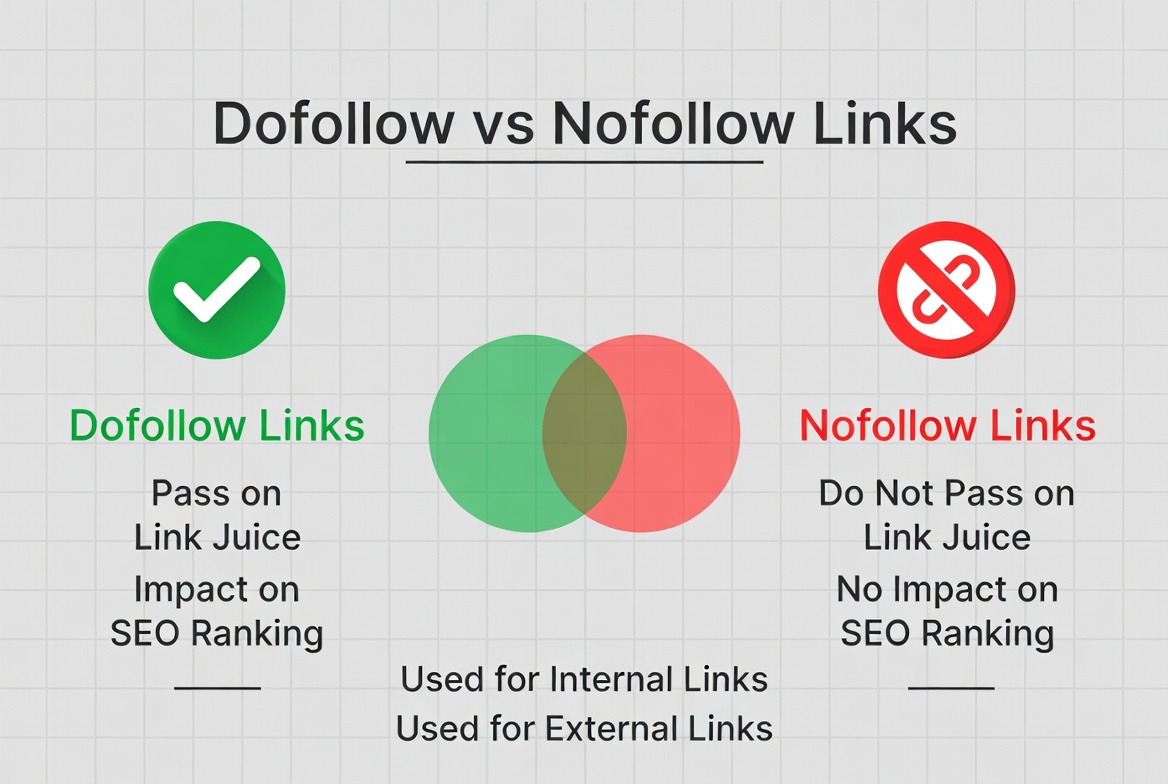
This image highlights how link equity flows—or doesn’t—in each case.
When deciding, ask: Is this link an endorsement? If yes, make it followed.
Benefits of Using Followed Links in Your SEO Strategy
Incorporating followed links offers numerous advantages for your site’s performance.
First, they enhance search rankings by distributing link equity. This “juice” signals relevance and authority to algorithms. They also improve user experience. Linking to external content provides additional value, keeping visitors engaged longer.
Moreover, followed links build relationships. By linking out, you encourage reciprocal links, fostering a stronger web ecosystem.
Key benefits include:
- Increased Authority: High-quality external links boost your domain’s trustworthiness.
- Better Crawling: Search bots discover more content through these paths.
- Traffic Boost: Readers follow links, potentially increasing referrals.
- Relevance Signals: Contextual links help engines understand your topic depth.
Studies show sites with strategic external SEO linking see higher rankings.
Here’s a chart outlining these perks:
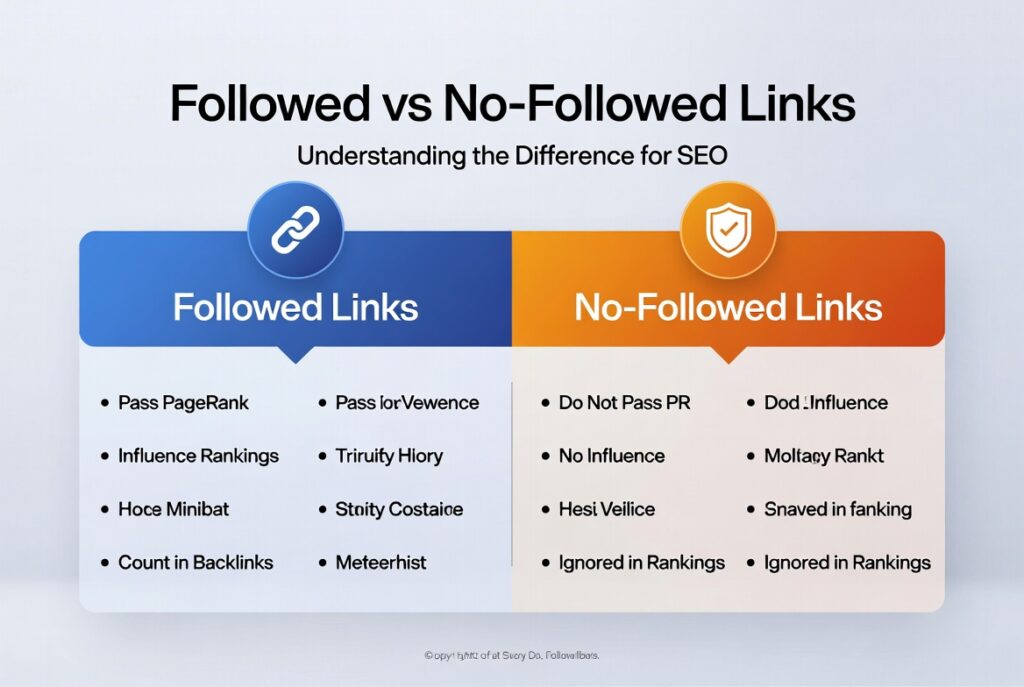
Remember, quality trumps quantity. Focus on authoritative sources like Wikipedia’s page on nofollow for maximum impact.
Best Practices for Linking to External Content with Followed Links
To maximize value, follow these proven best practices for external linking. Always link to relevant, high-authority sites. This ensures the followed link adds real value. Use descriptive anchor text. Instead of “click here,” opt for “Moz’s guide to link building” to provide context. Balance your links. Don’t overload pages; aim for 3-5 per 1000 words. Regularly audit links to fix broken ones, maintaining SEO health. Incorporate variety: Mix dofollow with nofollow for a natural profile. For internal synergy, link to related posts like our SEO linking fundamentals. Avoid spammy practices; focus on user intent.
By following these, your followed links will drive real SEO results.
How to Implement Followed Links on Your Website
Implementing followed links is straightforward but requires attention to detail.
Start with HTML basics. For a followed link, use:
<a href="https://www.google.com/webmasters">Google Search Console</a>In WordPress, links are dofollow by default unless specified otherwise. Use plugins like WP External Links to manage attributes easily. For CMS like Webflow or Squarespace, check settings—external links are often followed automatically.
To verify, use browser extensions like NoFollow or SEO Minion.
Integrate into content strategy: When discussing link equity, link to Google’s link guidelines. For internal, connect to link building tactics.
Steps to add:
- Identify valuable external content.
- Choose relevant anchor text.
- Insert the link without rel=”nofollow”.
- Test for functionality.
This ensures seamless SEO linking.

Common Mistakes to Avoid with External Links
- Even experienced SEOs make errors with external links. Avoid these pitfalls.
- One common issue is using irrelevant anchor text, like generic phrases that don’t describe the destination.
- Prioritizing quantity over quality leads to spammy profiles.
- Ignoring broken links harms user experience and SEO.
- Over-optimizing with exact-match anchors can trigger penalties.
- Failing to diversify: Too many dofollow without nofollow looks unnatural.
- Link spam, like buying from farms, is a big no-no.
Instead, link internally to avoiding SEO pitfalls for more tips.
Case Studies: Real-World Success with Followed Links
Real examples show the power of followed links.
- In one case, a site increased organic traffic 60x through strategic link building, including quality dofollow externals.
- Another study highlighted how dofollow links from authoritative sources boosted rankings significantly.
- A content marketing effort using nofollow initially shifted to dofollow for better equity flow, resulting in higher visibility.
- These demonstrate that thoughtful external SEO linking pays off.
- For instance, linking to Moz’s link building resources in relevant content can mirror these successes.
- Internally, see our case study on backlinks.
Future Trends in Link Building for 2025 and Beyond
- Looking ahead, link building is evolving with AI and quality focus.
- AI-assisted strategies will predict trending topics for better links.
- Digital PR emerges as a top tactic, with 48.6% of experts favoring it.
- Quality over quantity remains key, avoiding low-value tactics.
- Personalized outreach and content-driven links will dominate.
- Stay ahead by adapting to these trends in your SEO linking. For more, check our 2025 SEO trends post.
Conclusion
Mastering the followed link is essential for robust SEO. From understanding basics to avoiding mistakes, this guide covers it all. Implement these strategies to enhance your site’s authority and rankings.
FAQ
What is the difference between a followed link and a nofollow link?
A followed link passes SEO value, while nofollow does not.
How many external links should I include per page?
Aim for 3-5 quality links to avoid dilution.
Do followed links help with traffic?
Yes, they can drive referrals and improve rankings indirectly.
Are all external links followed by default?
In most CMS, yes, unless specified otherwise.
What’s the best way to get dofollow backlinks?
Create valuable content and engage in guest blogging or PR. Ready to optimize your links?
Start auditing your site today and implement these tips for better SEO results!
