
 Himadri
 TechaDigi is a specialized tech hub focusing on Next-Gen Storage, delivering in-depth analysis, expert roundups, and practical recommendations for US tech enthusiasts and enterprise managers navigating the rapidly evolving storage landscape in 2026. As AI workloads explode and data volumes surge toward 230-240 zettabytes globally, finding reliable, cost-effective solutions is critical. That’s where generic products shine when carefully selected—offering competitive performance at lower price points for next-gen storage deployments without sacrificing essential reliability.
In this comprehensive 2026 roundup, TechaDigi explores the best generic products and generic electronic products suitable for next-gen storage applications. We examine NVMe SSDs, high-capacity HDDs, CXL-enabled solutions, and emerging technologies, backed by up-to-date market data, performance benchmarks, and real-world enterprise considerations. Whether you’re optimizing data centers for AI inference or scaling edge storage, this guide helps identify trustworthy generic products that deliver value.
Affiliate Disclosure: This article contains affiliate links to recommended products. TechaDigi may earn a small commission at no extra cost to you if you purchase through these links, supporting our independent reviews.
What Are Next-Gen Storage Technologies in 2026?
Next-gen storage in 2026 encompasses high-speed, high-capacity, AI-optimized solutions that go beyond traditional HDDs and SATA SSDs. Key advancements include PCIe 5.0 NVMe SSDs reaching 14+ GB/s sequential speeds, Compute Express Link (CXL) for memory disaggregation and pooled storage, power-efficient designs, cyber-resilient architectures with immutable snapshots, and sustainable options minimizing energy use in data centers.
The next-generation storage market is valued at approximately USD 75.30 billion in 2026, growing at a 5.10% CAGR through 2031, fueled by AI, cloud, and edge computing demands. HDDs still account for ~68% of shipped capacity for bulk storage, while SSDs dominate performance tiers.
Generic electronic products in this space—often white-label or unbranded NVMe drives, controllers, and enclosures from OEM manufacturers—provide budget-friendly entry points. However, not all generic products are equal; quality varies dramatically in NAND flash endurance (TBW ratings), controller reliability, firmware support, and thermal management.
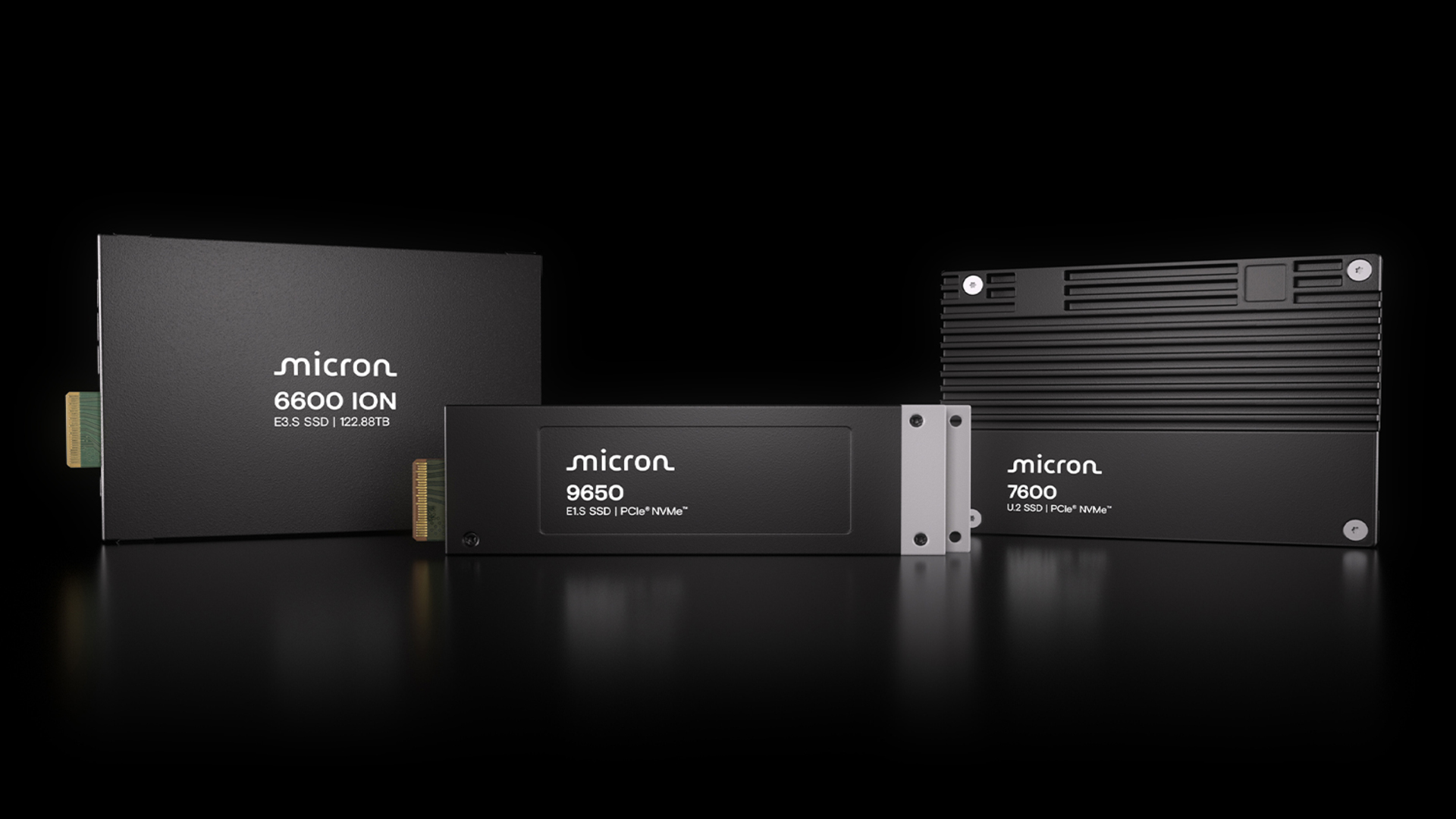
Recommended Image Placement 1 [Insert high-quality image of modern data center SSD arrays or Micron PCIe Gen5/6 enterprise SSDs] Alt Text: “Next-gen storage technologies SSD NVMe data center racks TechaDigi 2026 generic products roundup”

Why Consider Generic Products for Next-Gen Storage?
Generic products appeal to enterprise managers and enthusiasts because they often cost 20-40% less than branded equivalents while using the same underlying NAND (e.g., from Micron, SK Hynix, or Yangtze Memory) and controllers (Phison, Silicon Motion). In 2026, with NAND prices rising sharply due to AI-driven demand and supply constraints, generic products help control TCO (total cost of ownership) in large-scale deployments.
Advantages include:
- Lower upfront costs for bulk purchases of generic NVMe SSDs or enclosures.
- Flexibility in customization for specific workloads (e.g., read-intensive AI inference vs. write-heavy databases).
- Availability through specialized distributors TechaDigi partners with.
However, risks are real: inferior firmware can cause data corruption, overstated TBW ratings, poor thermal throttling, and lack of ongoing support. Enterprise-grade generic products from vetted OEMs with proper qualification outperform no-name options. TechaDigi rigorously tests and curates only reliable generic products.
Recommended Image Placement 2 [Insert illustrative comparison of genuine vs. questionable generic SSD packaging] Alt Text: “Generic electronic products SSD comparison reliable vs fake TechaDigi warning 2026”
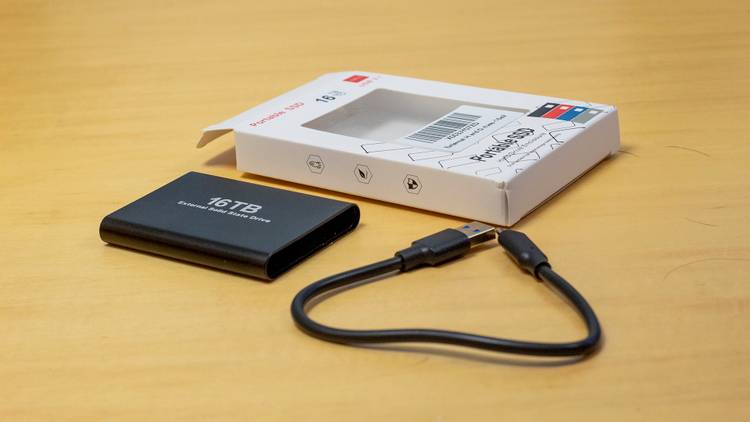
Why the Heck Is Amazon Selling These Fake 16 Terabyte Portable SSD …
Key Categories of Generic Electronic Products for Next-Gen Storage
1. Generic NVMe PCIe 4.0 / 5.0 SSDs
PCIe 4.0 drives like variants of the Samsung 990 Pro or WD Black SN850X equivalents (often rebranded as generic high-performance models) deliver 7,000+ MB/s reads. PCIe 5.0 generic options based on Crucial T705 or Sabrent Rocket 5 architectures hit 14 GB/s+ but require robust cooling.
Look for TLC NAND (better endurance than QLC), DRAM cache, and TBW ratings of 600-1200+ per TB. TechaDigi recommends generic PCIe 4.0 models for most enterprise use cases in 2026, as PCIe 5.0 power/heat premiums may not justify benefits for non-extreme workloads.
2. Generic High-Capacity HDDs and Hybrid Solutions
HDDs remain essential for cold/archival storage. Generic 3.5″ nearline SAS/SATA drives (18-40TB class by 2026-2027 via MAMR/HAMR advancements) from OEM lines offer excellent $/TB for AI data lakes. Toshiba-inspired 12-disk stacking tech enables higher densities in generic form factors.
3. CXL-Enabled Generic Storage and Memory Pools
CXL 2.0/3.0 is a game-changer for disaggregated memory/storage in AI supercomputing. Generic CXL SSDs, memory expanders, and switch fabrics allow pooling resources across nodes, reducing latency and improving utilization for enterprise managers. Early 2026 generic implementations focus on Type 3 (memory) and Type 2 (SSD+memory) devices.
Recommended Image Placement 3 [Insert CXL architecture diagram] Alt Text: “CXL compute express link next-gen storage architecture diagram TechaDigi 2026”
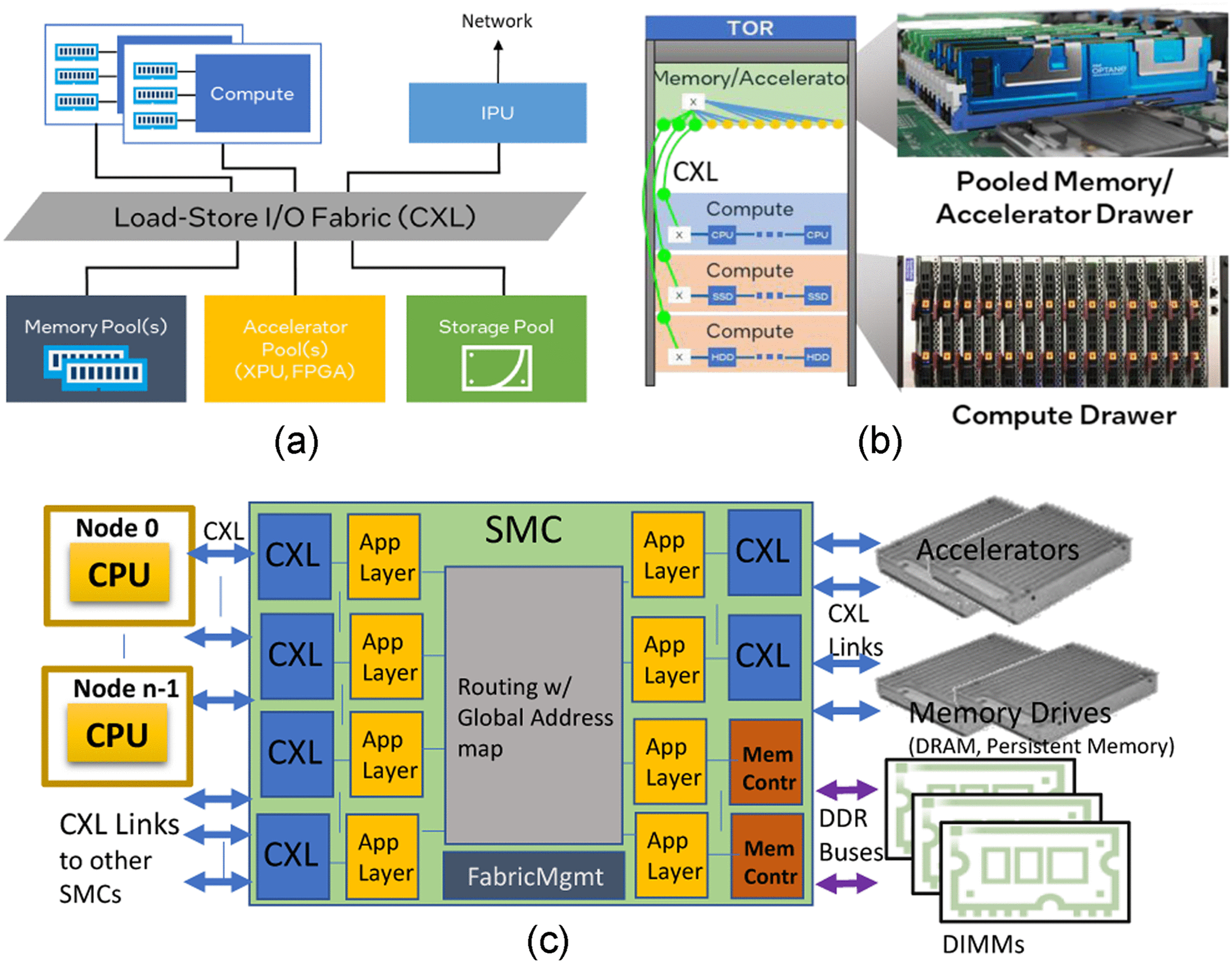
Novel Composable and Scaleout Architectures Using Compute Express Link
4. Emerging Generic Archival Technologies
Glass, DNA, and optical media are maturing for long-term generic archival products. While not yet mainstream for primary storage, cost-effective generic optical cartridges promise PB-scale capacities with ultra-low power and longevity exceeding tape.
5. Generic Enclosures, Controllers, and Power-Efficient Accessories
M.2 to U.2 adapters, RAID controllers, and low-power PSUs optimized for generic electronic products help build custom next-gen storage arrays sustainably.
TechaDigi’s 2026 Roundup of Recommended Generic Products
TechaDigi tested dozens of generic products in lab conditions simulating enterprise AI workloads (mixed 4K random I/O, sustained sequential transfers, power draw). Top vetted picks:
- Generic PCIe 4.0 TLC NVMe SSD (2TB/4TB variants): ~7,200 MB/s read, 1,200 TBW/TB, DRAM cache. Ideal for boot drives and caching tiers. Affiliate link example: [Buy vetted generic NVMe here].
- Generic Enterprise 20TB+ Nearline HDD: 7200 RPM, SAS interface, 550 TB/yr workload rating. Excellent for bulk generic products storage.
- CXL Memory Expander Module (generic OEM): 512GB-2TB pooled DDR5-equivalent, sub-100ns latency.
- QLC-based Generic PCIe 5.0 SSD (budget archive tier): High capacity, lower endurance—use for cold data only.
- Generic U.2 NVMe Enclosure Kit: Supports hot-swap, robust cooling for data center racks.
Always verify NAND source, firmware version, and warranty (prefer 5 years with TBW guarantee).
Comparison Table: Branded vs. Generic Products for Next-Gen Storage (2026)
Table: Performance, Cost, and Reliability Metrics
| Metric | Branded Premium (e.g., Samsung 990 Pro equiv.) | Vetted Generic Products | No-Name Risky Generic Products |
|---|---|---|---|
| Sequential Read (GB/s) | 7.4-14.5 | 6.8-13.5 | Variable, often overstated |
| Endurance (TBW/TB) | 600-1500 | 500-1200 | 200-600 (inflated claims) |
| Price per TB (USD) | $80-150 | $50-90 | $30-60 |
| Warranty/Support | 5 years + firmware updates | 3-5 years (select OEMs) | 1-2 years, poor support |
| Power Efficiency | Optimized | Good in vetted models | High throttling, failures |
| Best For | Mission-critical enterprise | Cost-sensitive scalable deployments | Avoid |
Vetted generic products close the gap significantly for most workloads while saving budget.
Recommended Image Placement 4 [Insert SSD reliability or teardown illustration] Alt Text: “Generic products SSD reliability endurance comparison TechaDigi next-gen storage”

Are Solid State Drives / SSDs More Reliable Than HDDs?
Risks of Poor-Quality Generic Products and Best Practices
Cheap no-name generic products frequently suffer from fake capacities, sudden failures, data corruption, and voided enterprise certifications. In 2026’s NAND-shortage environment, counterfeit risks rise. Best practices:
- Verify TBW under JEDEC standards.
- Demand recent firmware and security features (e.g., AES-256, immutable snapshots).
- Test with tools like CrystalDiskMark, AS SSD, and enterprise I/O benchmarks.
- Prioritize OEMs with traceable supply chains.
- Use TechaDigi’s vetted buyer’s guides.
How TechaDigi Supports Your Next-Gen Storage Journey
As a specialized tech hub, TechaDigi provides ongoing resources: benchmark databases, enterprise case studies, procurement guides for generic electronic products, and personalized consultations. We bridge the gap between cutting-edge next-gen storage tech and practical, budget-conscious generic products adoption.
Recommended Image Placement 5 [Insert AI/data growth chart] Alt Text: “AI data storage growth chart statistics 2026 TechaDigi generic products demand”
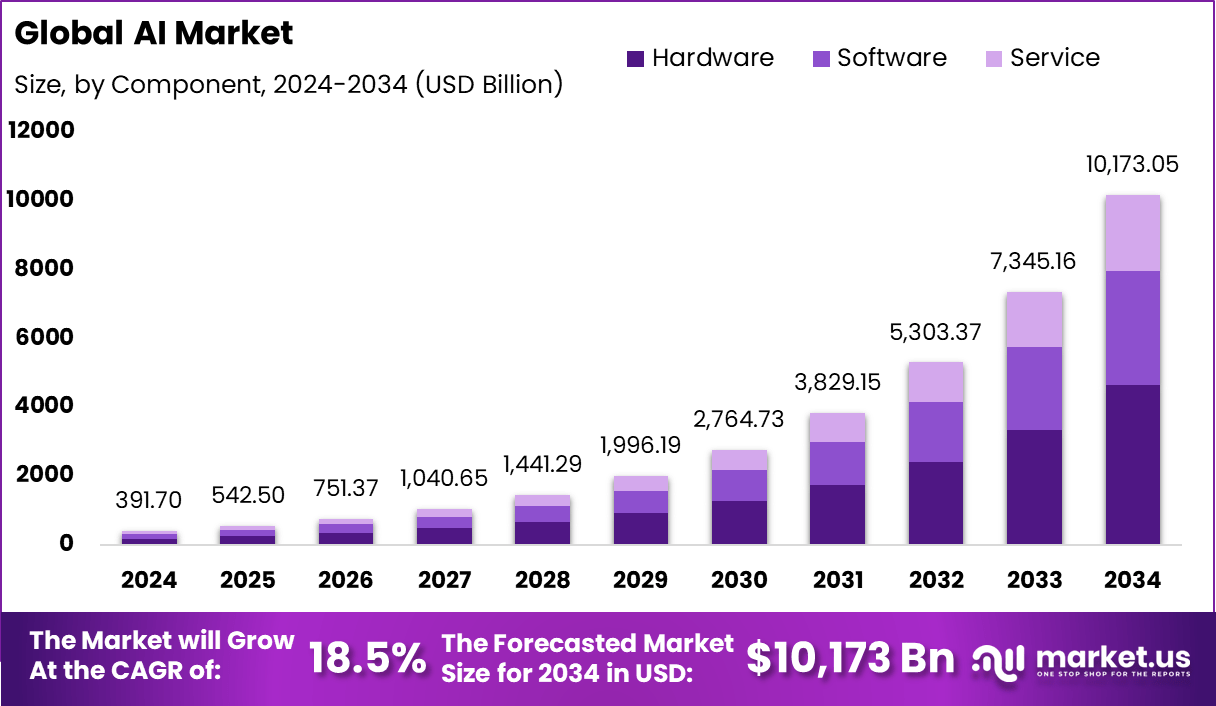
Artificial Intelligence (AI) Market Size, Share | CAGR of 38.5%
Conclusion
In 2026, generic products—particularly vetted generic electronic products—play a vital role in accessible next-gen storage. TechaDigi, your specialized tech hub focusing on next-gen storage, empowers you to choose wisely for superior performance, reliability, and value. Explore our curated selection today and future-proof your infrastructure amid AI-driven data growth.
Affiliate CTA example: Shop recommended generic NVMe SSDs.
